On Endings
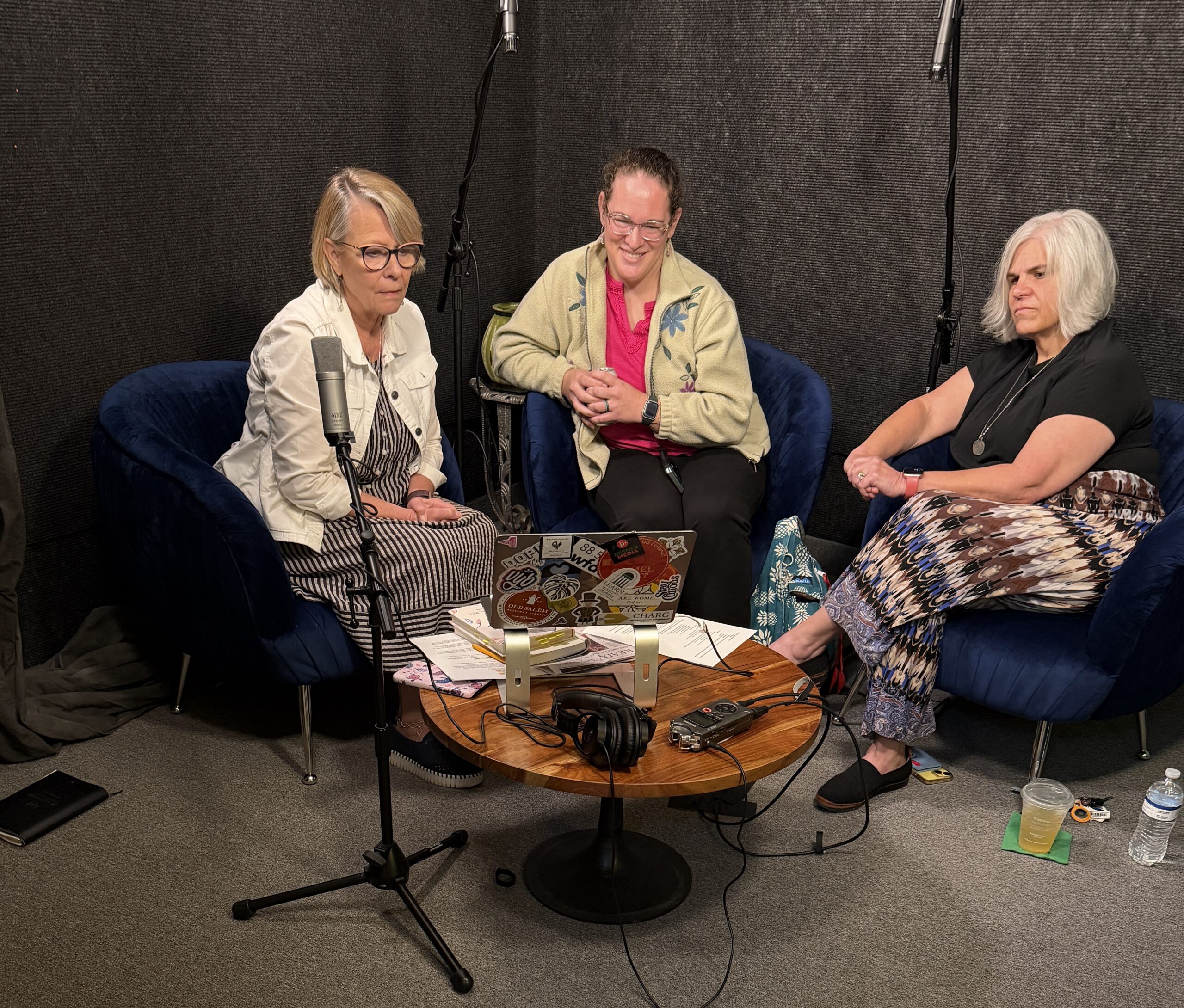
The Wake Women podcast comes to an end this week. The podcast started as my “phased retirement” project and evolved into a two-year initiative that put me in conversation with an amazing array of women associated with Wake Forest University.
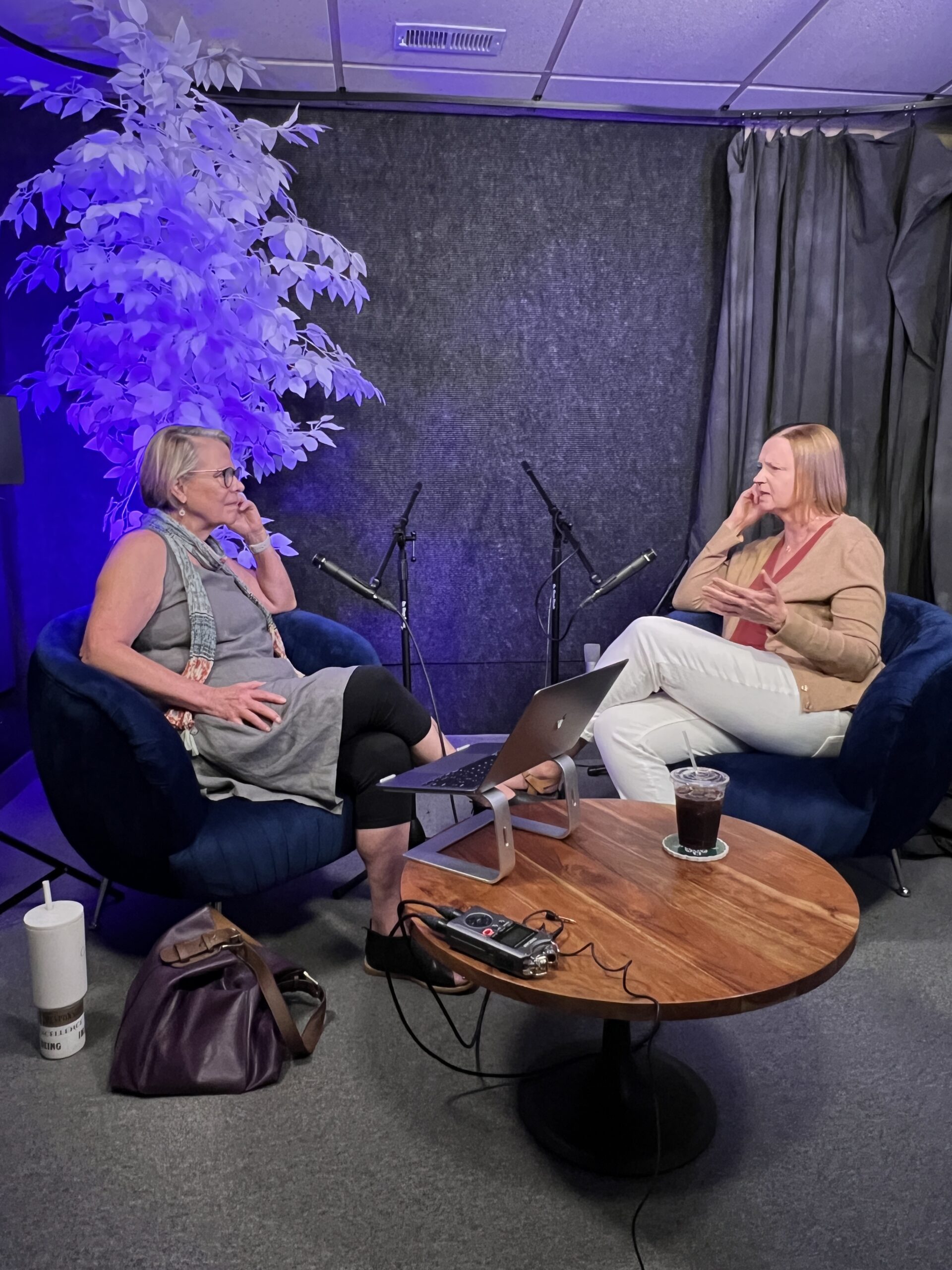 I’ve interviewed writers, firefighters, career coaches, auctioneers, scientists, doctors, football players, politicians, scholars, and women from every walk of life. I knew the podcast would end someday, but the longer I hosted it, the more I realized that the microphone would have to be pulled from my cold, dead hands before I gave it up. The fact that I didn’t want it to end, yet knew it was time, has had me thinking a lot about endings.
I don’t think we do endings well as a society. Whether it’s a job change, a physical move, or a relationship shifting, how often do we stop to intentionally and memorably wrap things up? We say that every ending is a new beginning, but sometimes we are in such a hurry to move on to the next thing that we forget to stop and honor the old thing. Every new beginning also means something is ending. And we need to remember that beyond the physical dimensions —the logistics of moving, changing jobs, going off to college— there is an internal human component that needs honoring and nurturing too.
And our internal transition is only part of the story. There are others who will feel the effects of our endings: the kid who mows your lawn, the team members in a department, the vendors and support people who propped you up. And for me, the guests, listeners, staff, and volunteers who made this project happen.
Every ending has effects that radiate outward and inward.
So it makes sense to treat the thing that’s ending with respect, and a little bit of awe. The circumstances, energy, and organization that had to come together to make that old thing happen — that is remarkable and worth contemplating.
We also need to honor the new person we’ve become because of the thing that’s ending. Because if it weren’t for that experience, we wouldn’t be ready for what comes next — even if we don’t yet know what that is. What a marvelous mystery life is.
When we started winding down the podcast, I wanted to end it right. This was not just a creative project coming to a close — it would also signal the end of my twelve-year career at Wake Forest, and that made the transition worth approaching with real intention. To pay tribute to the many women I interviewed over the last two years, we produced four closing tributes around the themes of connection, heart, courage, and wonder.
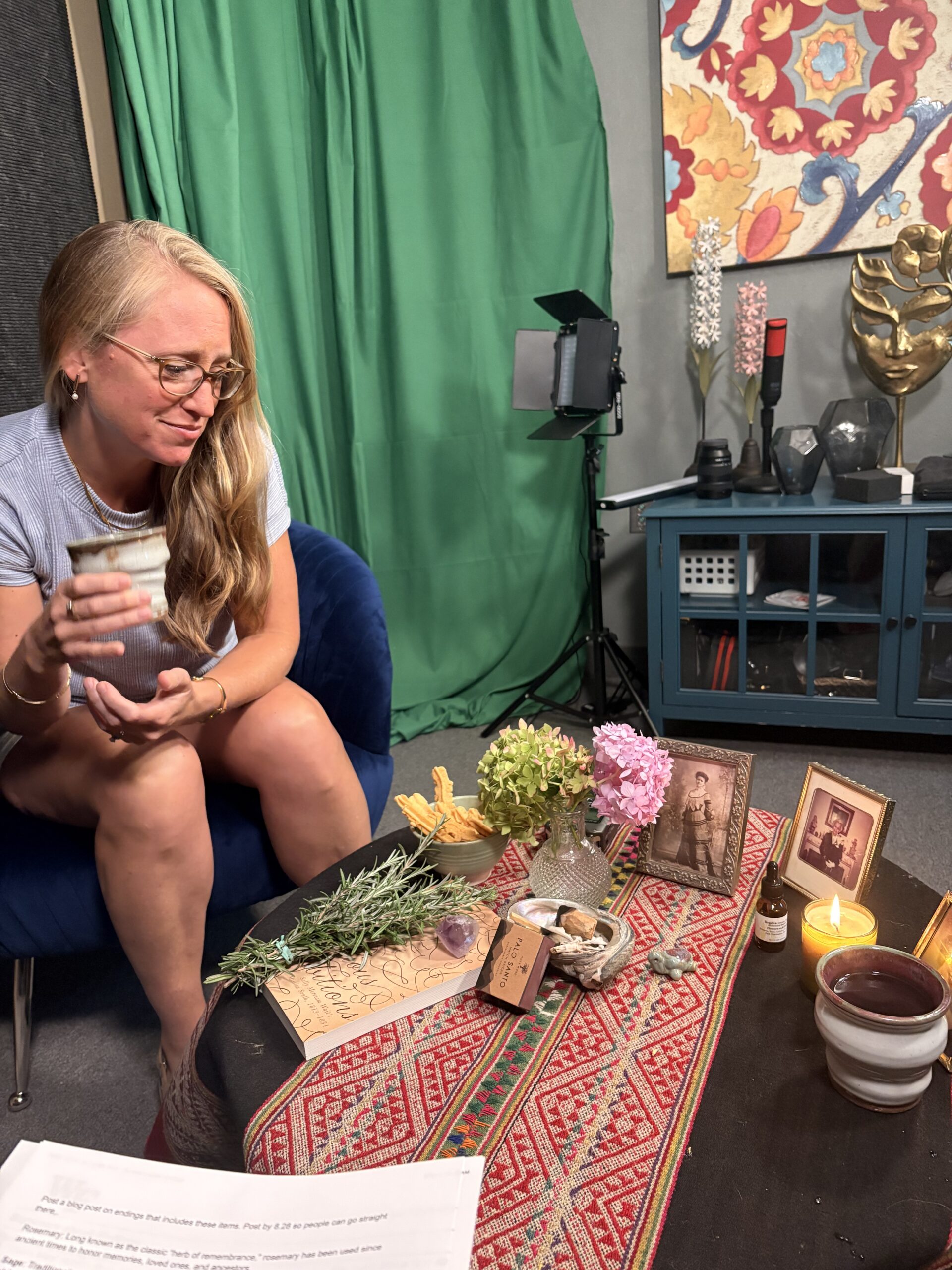 I carefully chose the guests for the final episodes and made the series finale not an interview but a conversation about endings, empathy, and going off script in the last third of life. My friend Ann Phelps and I talked about what we owe the past, the importance of ritual, and how to disconnect purpose from productivity.
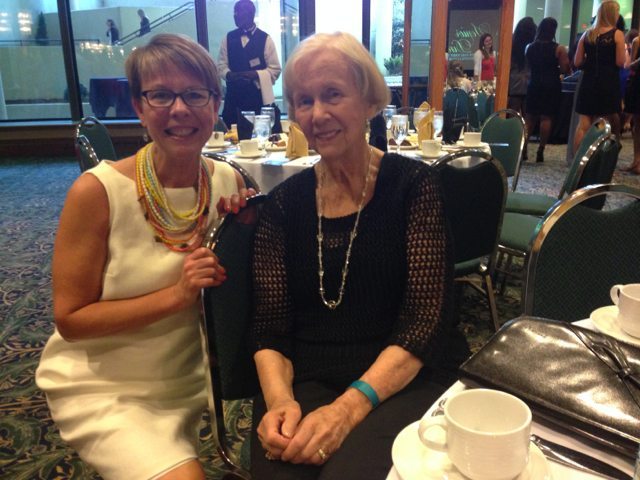
When I started thinking about endings a few months ago, it was in the context of this project coming to a conclusion. I had no idea that, in a quietly synchronistic series of events, my mother Byrd Tribble would choose this same season to exit her life.
When Mark Petersen approached me about working at Wake Forest twelve years ago, I was conflicted. I had deep roots in Charlotte, having run a business there for over twenty-five years. The pull of returning to my alma mater was strong, but leaving the community I called home felt daunting. In the end, I made the move to Winston-Salem and in doing so, I became my mother’s primary caregiver. As the years passed and she needed more support, I wondered: was the call to come here less about a job, and more about being called to care for my mother in her final years?
 I think I know the answer now. The podcast, my career at Wake Forest, and my mother’s time on this earth — all arriving at their conclusion in the same bittersweet passage of time. That convergence feels like more than coincidence.
This taught me, among many things, that endings deserve to be honored. That the people and projects and places that shaped us deserve more than a hurried goodbye. That the internal human work of transition — the grief, the gratitude, the becoming — is not a footnote to the logistics. It is the whole point.
I don’t know yet what comes next. But I know I would not be ready for it — whatever it is — without everything that is now ending. And for that, I am more grateful than I can say.