Can Compassion Be Taught?
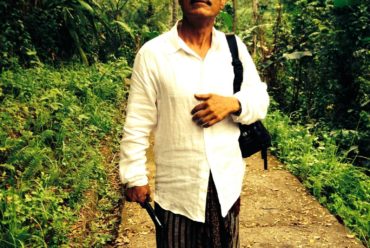
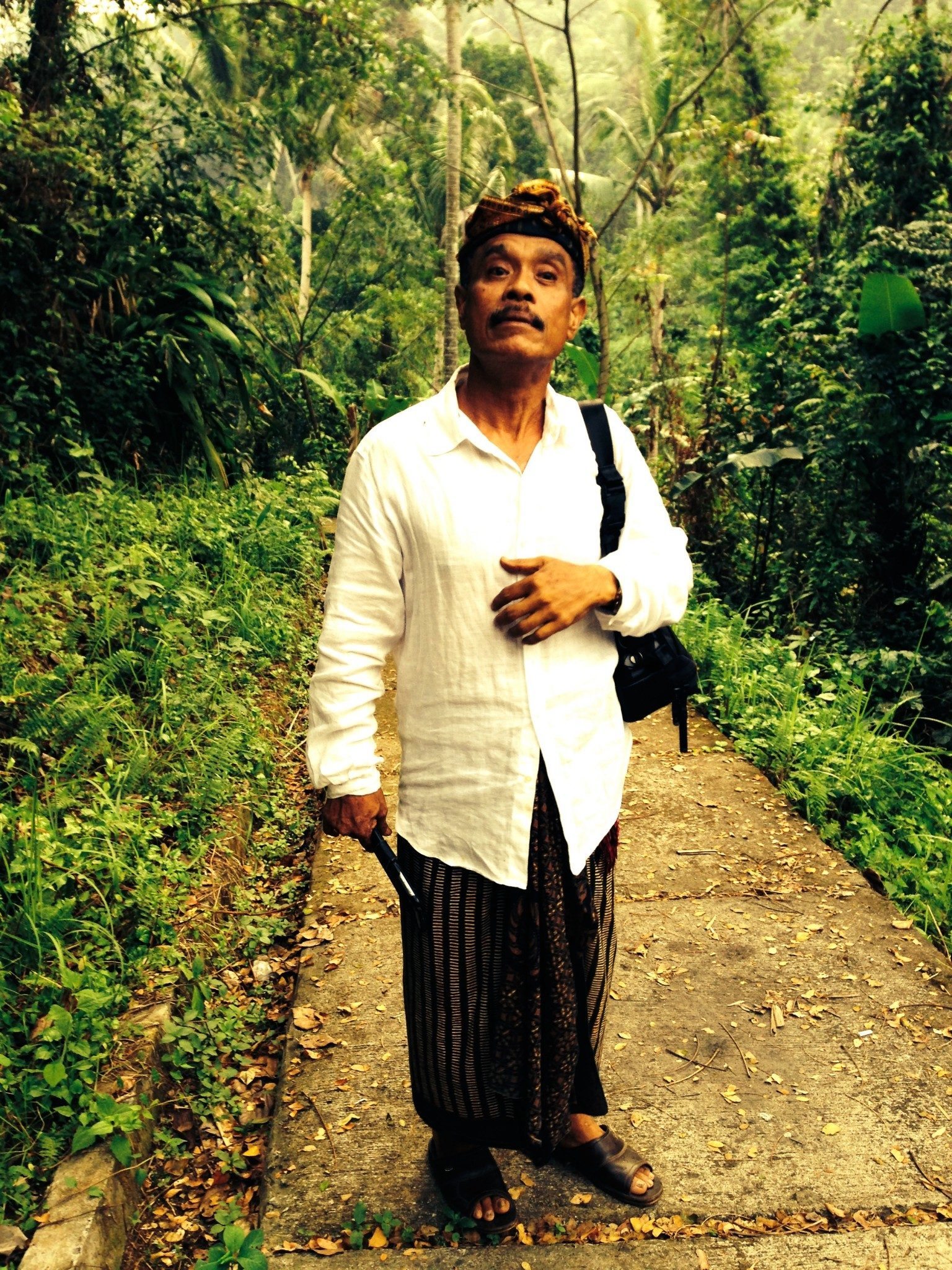
I recently returned from a retreat in Costa Rica where I soaked in the teachings of Roshi Joan Halifax, an American Zen Buddhist teacher and civil rights activist who has spent her entire life seeking and serving. During her talks, we spent a lot of time talking about altruism, compassion, and empathy.
While people often use the words compassion and empathy interchangeably, scientists have discovered that these emotions are unique enough to light up different parts of our brains.

Roshi Joan explained it this way: empathy creates a state of “feeling with” another person’s suffering, while compassion is about “being for” another person. In her teachings, the difference is in the action: empathy creates the vibe, and compassion creates the response. While empathy can sometimes lead to distressing burnout, compassion provides a more sustainable motivation to transform the suffering one witnesses.
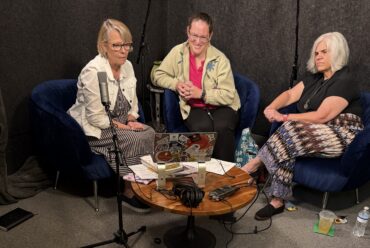
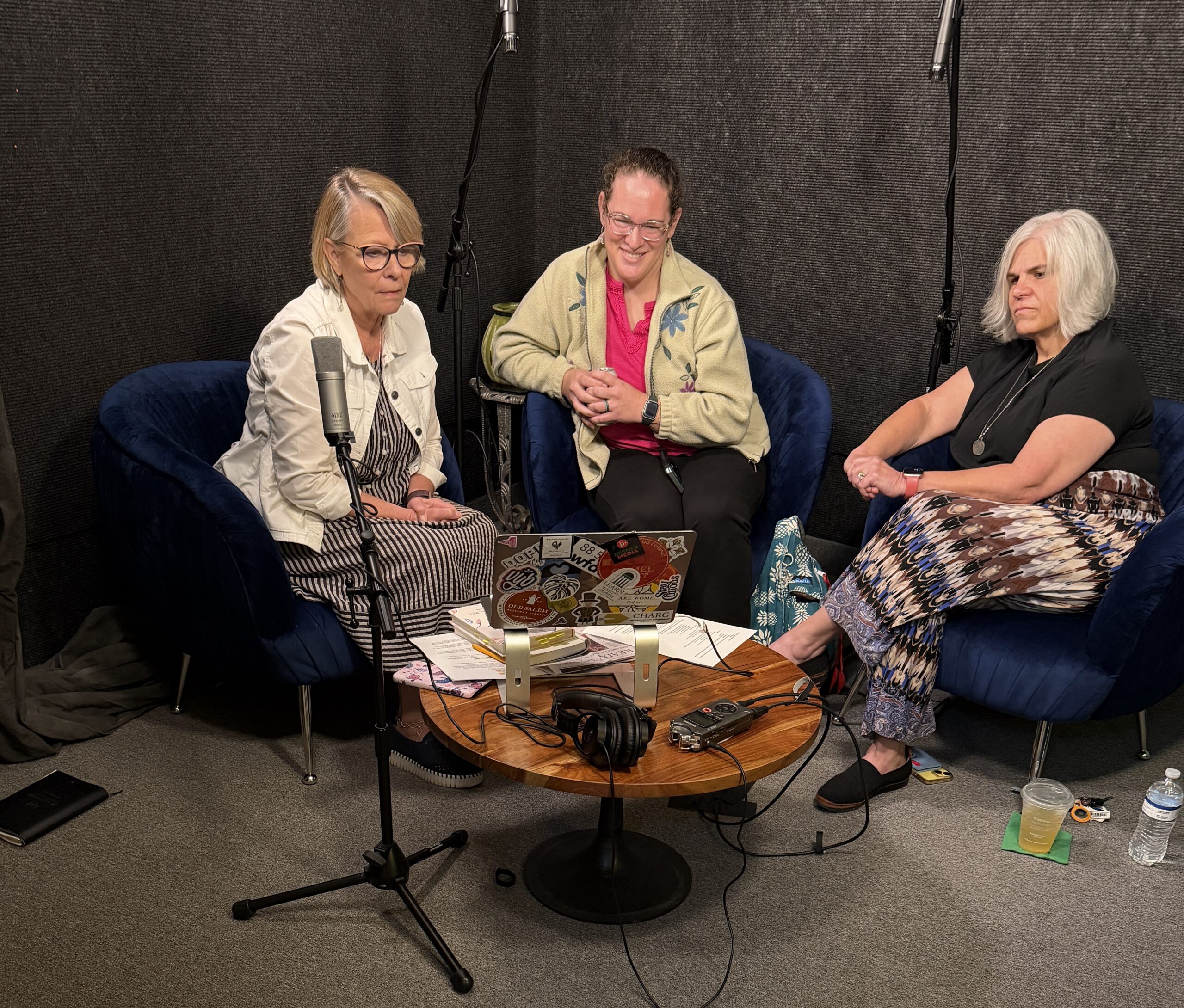
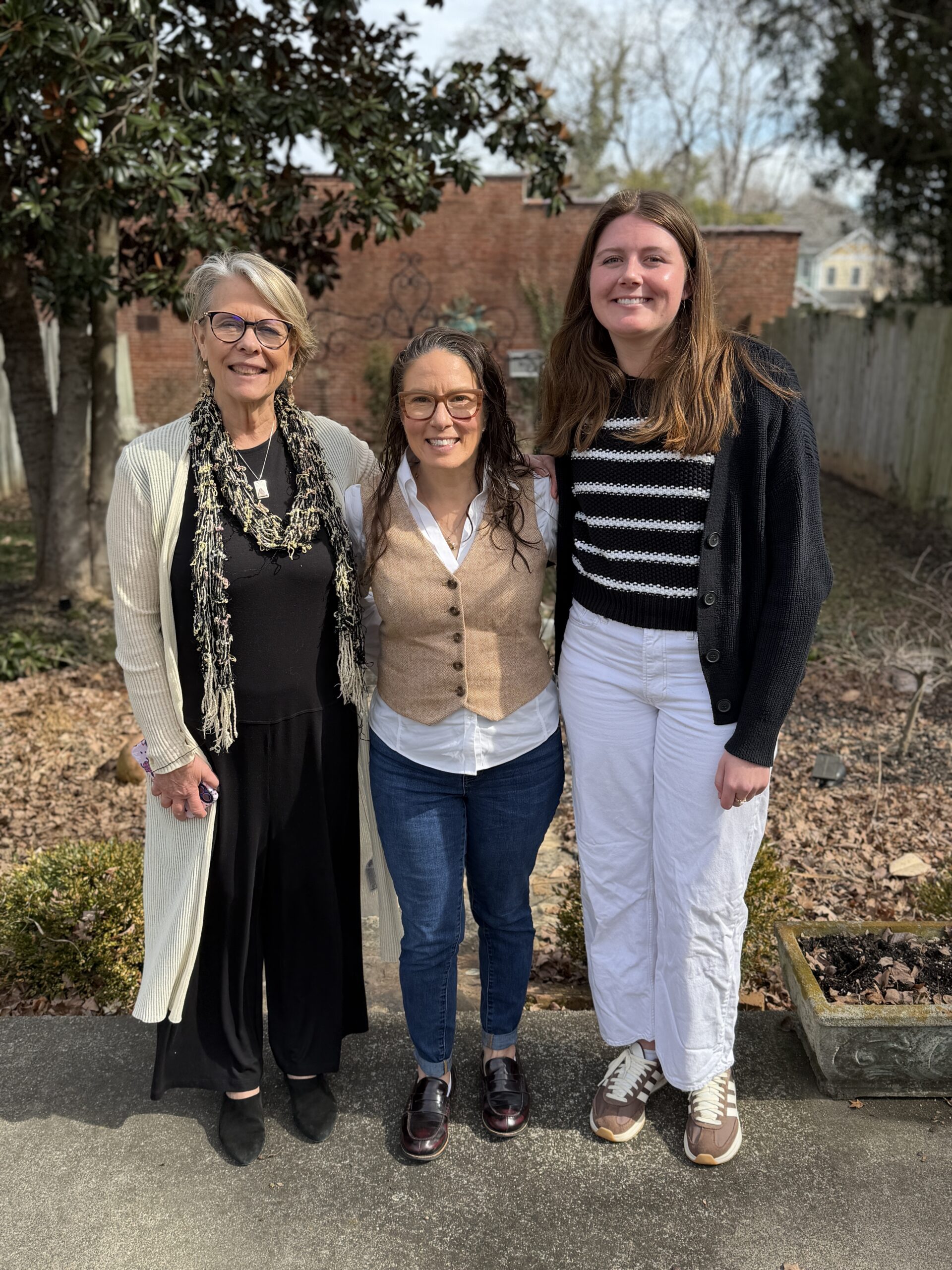
I was thinking about whether compassion can be taught while recording a Wake Women Podcast episode, where I feature inspiring women with a connection to Wake Forest University. My guests that day were economics professor Megan Manassah and her student Rylee Molhollen. When Rylee came to Wake Forest, she took Megan’s first-year seminar titled Poverty and Prosperity: Inequality in Winston-Salem, which focused on how the root causes of poverty play out in the North Carolina city where the university is situated.
For those of us who didn’t have a first-year seminar requirement while we were at university, these small, intimate courses help students learn to analyze critically, construct arguments, and respond to complex ideas. One brilliant design element is that they offer faculty an opportunity to explore concepts they are passionate about in depth, so they bring an extra dose of enthusiasm to the recipe. Whether it’s a biology professor teaching about fermented foods in science and literature or a computer professor teaching about AI and humanity, these semester-long courses prepare students for their college careers, and for some of them, for their lives.
Rylee grew up in a beautiful seaside town in Florida. While her family lived comfortably, her mother integrated altruistic acts into their daily lives to instill a sense of empathy and compassion in Rylee. So, when she saw the description of Dr. Manassah’s course, real-world relevance outweighed the fact that it was an economics class. Wasn’t that what bond traders majored in?
 Despite her assumption that economics might be a boring topic, Rylee’s first-year seminar taught her that everything in life–politics, culture, the law, racism, war, peace–everything is interconnected with economics. Through studying the latest research, Rylee learned about the physical, mental, and psychological effects of poverty. The class revisited The Great Gatsby to better understand the nuances of the economic divide in America. Dr. Manassah helped her students connect the dots from global problems to local needs by teaching them the factors beneath Winston-Salem’s social mobility problem, learning that all too often, a child’s future is determined by the zip code they grow up in. And they learned how the economic underpinnings that lead to systemic poverty all too often benefit the status quo.
Rylee and her fellow students learned a great deal about poverty by reading texts and listening to Dr. Manassah’s lectures. But it was the action that helped make the jump from book learning to lasting change. The class left campus and met with city leaders. They produced marketing materials addressing food insecurity, toured marginalized neighborhoods to learn about redlining, and visited food banks and community gardens. They planted potatoes to learn about nutrient-dense foods and developed studies to help accumulate data that is so critical to solving problems.
It was action in the community that inspired Rylee to major in economics and take her enthusiasm back to Sarasota on summer breaks by interning in her community at prisons and social service agencies. It’s been compassion through action that has made her decide to pursue a career dedicated to social change once she graduates.

The data and the heart-wrenching stories behind them evoked empathy in Megan Manassah’s students. But it is action, not facts alone, that creates the antidote to despair.
Empathy creates the vibe, compassion creates the response.